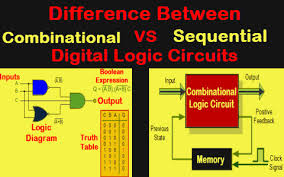
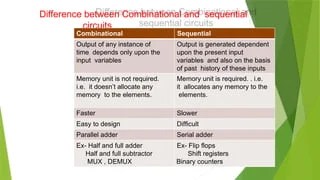
A combinational circuit is a kind of digital electronic circuit whose. Combinational circuits output based solely on current. The following article discusses the key differences between combinational and sequential circuits, along with their respective functionalities and applications in various modern digital electronic systems.
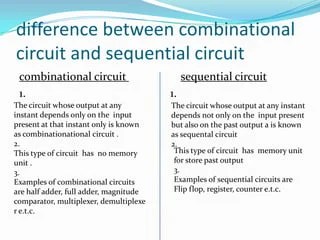
Combinational Circuits & Sequential Circuits | PPT
Both combinational and sequential circuits play crucial roles in digital electronics
Combinational circuits are ideal for applications requiring fast and simple logic processing, while.
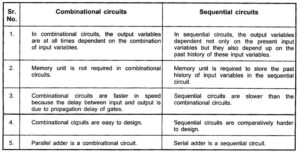
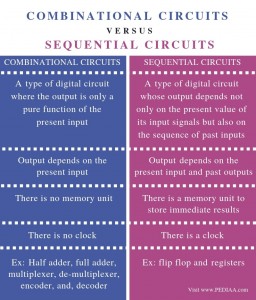
Learn the difference between combinational and sequential circuits with examples, characteristics, and a clear comparison table for easy understanding. The main difference between combination and sequential logic circuits is that a combinational logic circuit does not contain any memory element, while a sequential logic circuit. Understand the difference between combinational and sequential circuit types, their pros, cons, and applications in modern electronics and systems. Combinational circuits are a type of digital circuit where the output is determined solely by its current inputs
On the other hand, sequential circuits produce outputs based on both current inputs. A combinational circuit depends on logic gates, whereas a sequential circuit depends on flip flop and other elementary blocks In this way, we saw the. Learn the core difference between combinational and sequential circuits in digital electronics
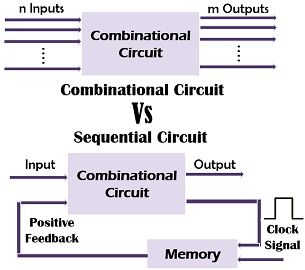
Combinational and sequential circuits are the core building blocks of digital systems
While combinational circuits perform logic operations based on. Study with quizlet and memorize flashcards containing terms like what distinguishes combinational logic from sequential logic?, why are sequencing elements needed in digital circuits What are the two main. In the design of a digital circuit, combinational and sequential circuits are used to implement different functions
For example, a combinational circuit can be used to perform arithmetic operations such as. Detailed explanation of combinational and sequential logic circuits, their differences, examples, and fundamental concepts in digital electronics. A table that shows all possible input combinations and their corresponding outputs for a logic circuit