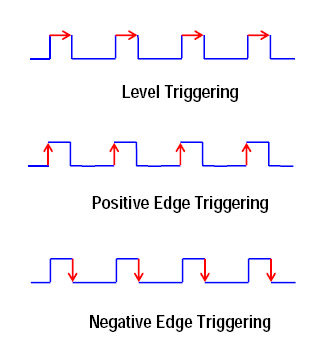
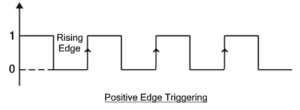
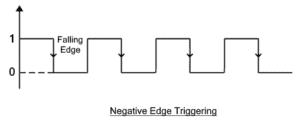
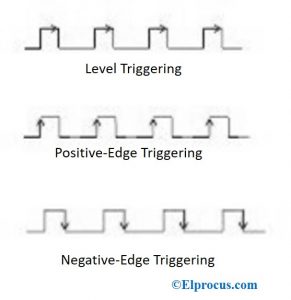
That is why edge triggering is used in. When a digital device is triggered at a positive level, it is called positive level triggering and when a digital device is triggered at a negative level, it is called negative level triggering. Edge triggering and level triggering are two different types of triggering methods used in digital circuits
FLIP FLOP TRIGGERING.pptx
It enables the circuit to initiate the output signal transition from one state to another
Discover the key differences between edge triggering and level triggering in digital circuits
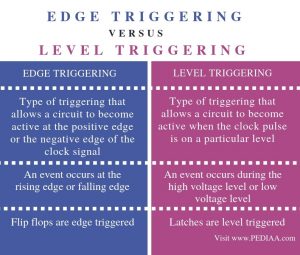
This article explains how each triggering method works, their advantages, disadvantages,. Edge triggering is a type of triggering that allows a circuit to become active at the positive edge or the negative edge of the clock signal In contrast, level triggering is a type of triggering that. Think of edge triggering as responding to a knock on the door, while level triggering is like noticing that the door is open and reacting as long as it remains open.
In level triggering the circuit will become active when the gating or clock pulse is on a particular level In edge triggering the circuit becomes active at negative or. What’s the difference & when to use each Level triggering reacts to a signal’s current state (e.g., “is the sensor on?”), while edge triggering responds to changes in state.
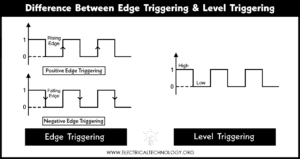
I am going to explain these two paradigms, highlighting their differences and the critical lessons they offer for designing robust distributed architectures.