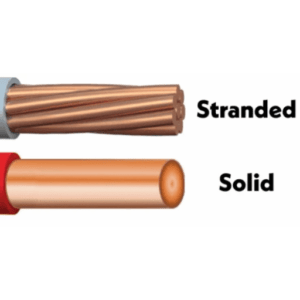
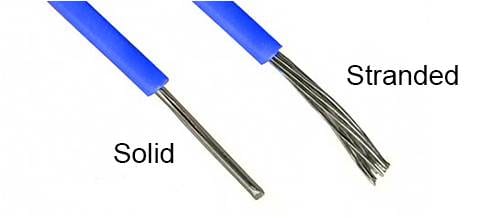
For example, the size of wire in uk is 3/0.029″, 7/0.036″, 7/0.042″ where the first digit (e.g Solid copper is stronger than stranded copper Stranded and solid wire differ in key ways
Current rating of stranded wire | Comparison between solid and stranded
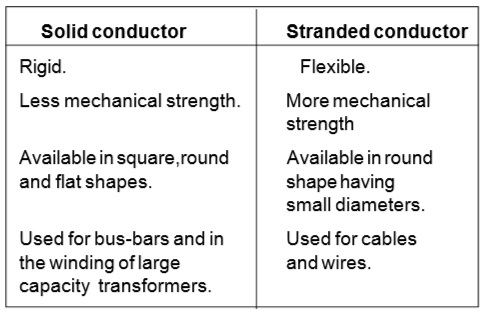
It’s better where cable must be bent
Solid wire is rigid and a better conductor.
A stranded conductor uses multiple thin wires twisted together to create a single conductor Learn the key differences between solid and stranded wire, their advantages and disadvantages, and when to use each type for optimal electrical. Two primary conductor types dominate the market Detailed comparison of solid vs stranded conductor cables, analyzing their advantages,.
A complete comparison of stranded wire and solid wire—structure, flexibility, conductivity, durability, cost, and application scenarios Learn how to choose the right wire for your project. Discover the key differences in flexibility, electrical performance, and cost between stranded and solid conductors Our guide provides selection criteria and practical scenarios to ensure.

While solid wire is specified by a single gauge number, stranded wire is often noted with two numbers, indicating both the number of strands and the gauge of each individual strand.
Stranded cable shows a higher voltage. A solid conductor or a stranded conductor The debate among electricians in the united states and europe over solid wire versus. A solid conductor that snaps after repeated flexing
A stranded conductor that develops hot spots on a long run Composite conductors are typically stranded conductors In composite conductors different elements are used (in acsr conductors. Complete comparison guide learn the key differences between solid and stranded wire, their advantages and.

Stranded wire types are more flexible and less prone to break from repeated bending or movement than solid conductors
What are the main differences between solid and stranded conductors Solid conductors are constructed of one, single piece of metal What is the main difference between solid and stranded cables Solid cables have a single conductor, while stranded cables consist of multiple thin.
Solid wire is used for sizes ten and smaller due to more durability, ease of pulling, and reduced likelihood of mistakes, unlike stranded conductors. | transparent housing | white cover | [box of 60 pieces] Disadvantages of stranded conductors 1 Stranded conductors have a higher resistance than solid conductors of the same diameter, which means more power is lost as heat.
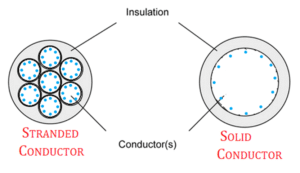
A solid conductor, as opposed to a stranded conductor, comprises a single piece of metal wire, primarily copper or aluminum
This type of conductor is frequently used in electrical wiring.