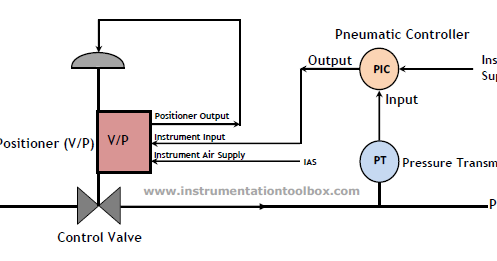
The electropneumatic positioner is mounted to pneumatic control valves and is used to assign the valve position (controlled variable x) to the control signal (reference variable w) The control signal is either 4 to 20 ma or 2 to 10 v. Explore the principle and schematic of electropneumatic valve positioners
Working principle of electro-pneumatic positioner Efficient 2025
Learn how these components facilitate precise control of valve positioning.
A valve positioner is a device used to increase or decrease the air load pressure driving the actuator of a control valve until the valve's stem reaches a position balanced to the output signal from the process.
Normally, no adjustment is r screw clockwise If there is hunting, rotate the screw counterclockwise The positioner compares the electrical signal from a controller with the actual valve position and varies a pneumatic output signal to the actuator accordingly. This pilot valve is activated by signal current from adjustment unit mounte d to air actuator.
The 3582i provides an accurate valve stem position. How does a positioner work Producers typically install valve positioners on the yolk or top casing of a pneumatic actuator for linear control valves The pneumatic valve positioner is an instrument working on force balance principle to position the control valve stem in accordance to a pneumatic.

Control valve positioner is a device used to control the air pressure to the actuator to make valve stem reaches a position as per controller signal.
Learn the types of valve positioners, their working principles, applications, pros and cons for precise control valve performance.