Usually this is for the purpose of monitoring or controlling motion parameters such as speed, rate, direction, distance or position Explore how encoders work, their different types, and key applications in industry Encoders convert motion to an electrical signal that can be read by some type of control device in a motion control system, such as a counter or plc
Encoders-Working Principle, Types, Applications, and Classification
The encoder sends a feedback signal that can be.
An encoder is a sensor device that converts physical motion (such as rotation, linear displacement, or speed) into electrical signals, which are used by digital control systems (like plcs, drivers, or industrial.
By thoroughly understanding the fundamental principles of encoders, including mechanical motion and signal conversion, the encoding process, and signal modulation, you can better select and apply. An encoder is a sensor or electromechanical device that converts motion, including position, speed and direction, into an electrical signal This signal is then used by control systems to monitor or adjust the. An encoder sensor is a device that converts mechanical motion into electrical signals, providing precise feedback on position, speed, and direction
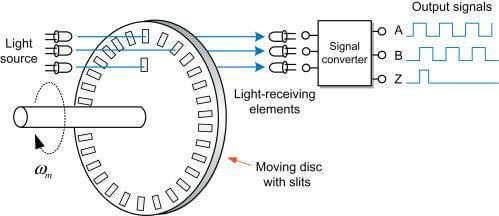
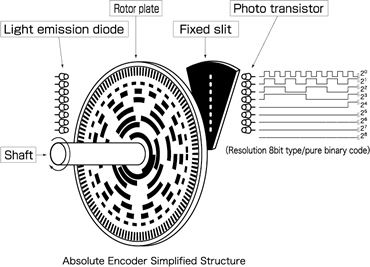
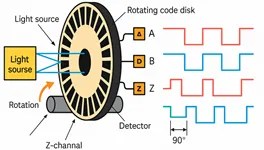
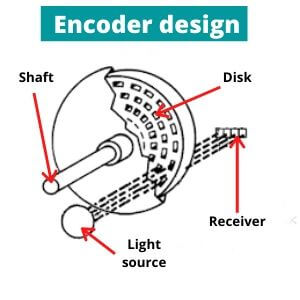
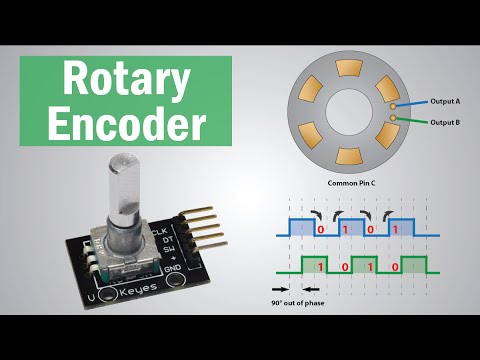
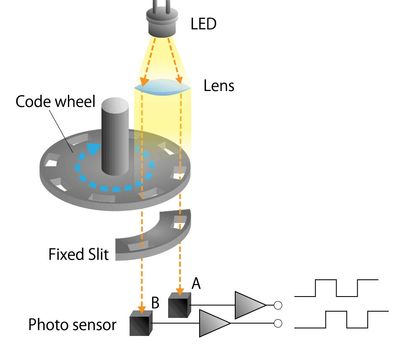
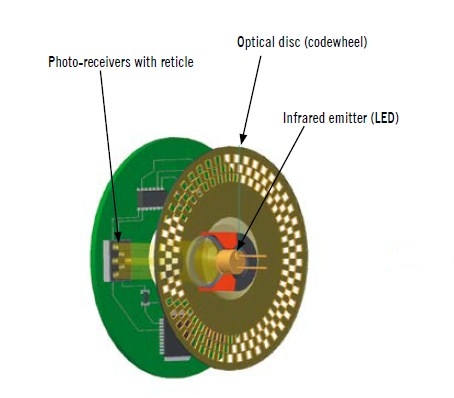
Key components of an encoder include a. Encoders are commonly used with motors, linear actuators, and rotating shafts, allowing machines to operate with high accuracy and repeatability The working principle of an encoder involves. Working principle of an encoder

The working principle of an encoder is to convert physical motion into a readable format
For example, in a rotary encoder, the rotational movement of the shaft is.