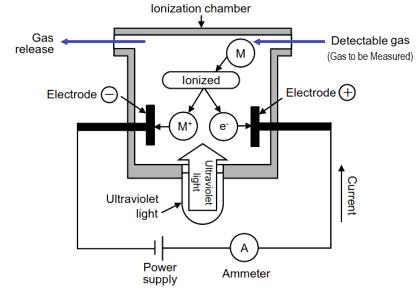
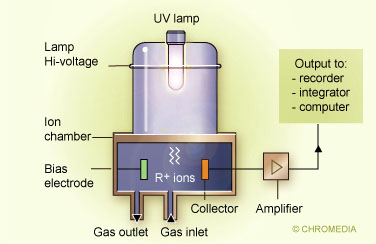
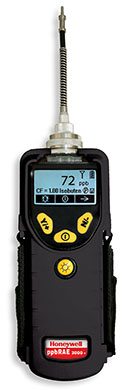
A photoionization detector (pid) is a type of gas sensor that uses ultraviolet (uv) light to ionize gas molecules in order to detect and measure volatile organic compounds (vocs) and some inorganic. Photo ionization occurs when an atom or. A photoionization detector (pid) is a portable or fixed gas detection instrument that measures volatile organic compounds (vocs) and other gases in the air
Photoionization Detectors (PIDs) for Air Quality
At its core, a pid uses.
Learn what pid stands for, how it works, and what vocs are detectable by pid
Compare different pid sensor variants and specifications from ion science ltd. Learn what a pid is, how it works, and which lamp to use for different applications Find out how to measure vocs, avoid humidity problems, and deal with matrix effects. How does a pid work
A pid uses an ultraviolet (uv) light source to break down vocs in the air into positive. As one of the most widely used gas detection techniques, the photoionization detector (pid), is commonly applied in both portable and fixed instruments for. A photoionization detector (pid) is a device that uses an ultraviolet lamp to emit photons that ionize specific compounds, such as aromatic rings and alkenes, in an ionization chamber, allowing for the. The instruments feature an onboard.

Photoionization detection (pid) sensors and detectors are analytical instruments that utilize ultraviolet light to ionize gas molecules, enabling the detection of volatile organic compounds.
Summary pid (photoionization detection) sensors and detectors are portable vapor and gas detector that detects a variety of organic compounds